 Coupons
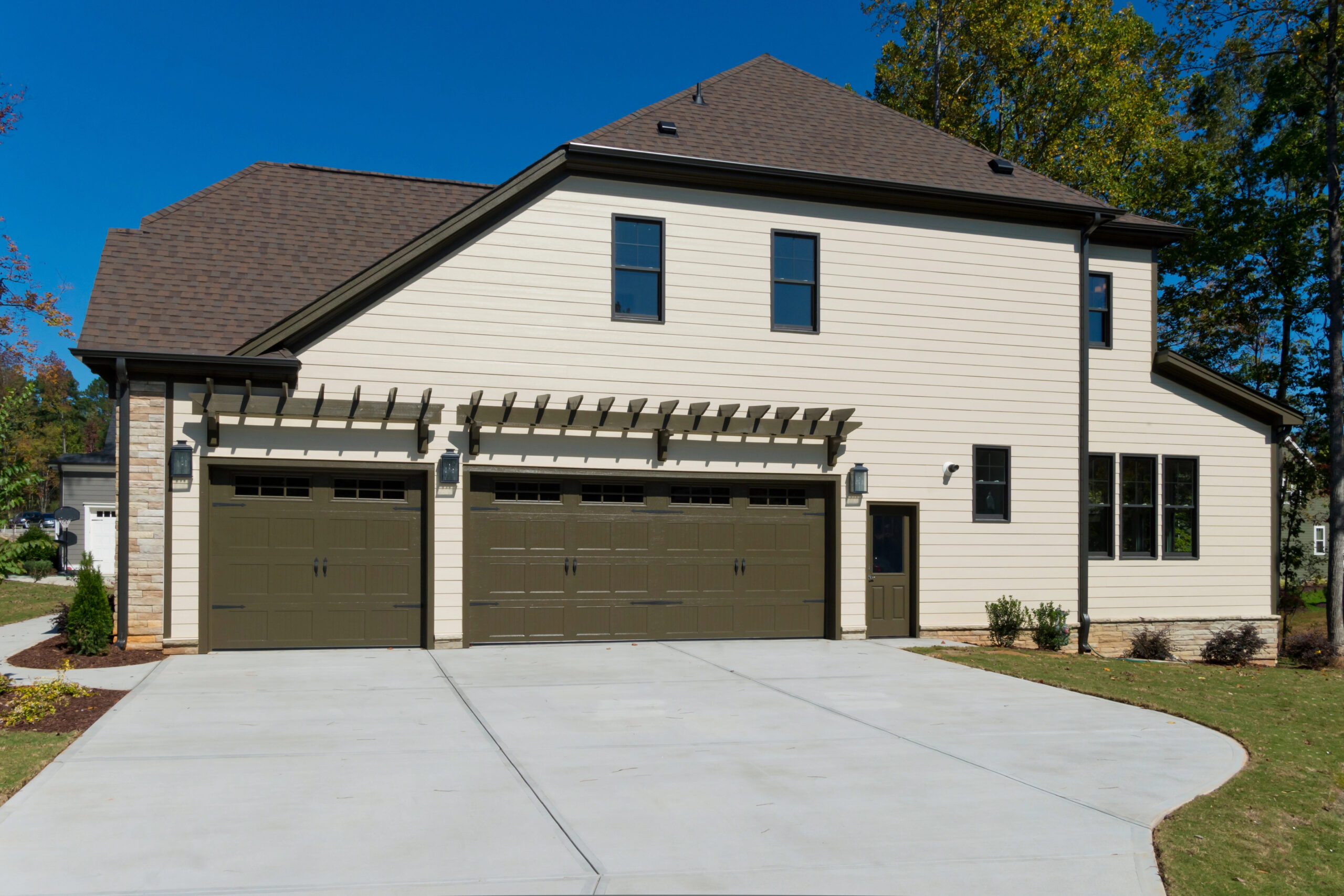
Homeowners in Indiana deal with some of the most unpredictable weather in the entire Midwest, including frigid winters that span from November through March to hot, hazy, humid summers that can make a garage feel like a sauna. For this reason, insulated residential garage doors are becoming an increasingly popular upgrade for homeowners looking to improve comfort, save energy efficiency, and increase durability.
That said, there is a LOT of misinformation online, including outdated assumptions that lead many homeowners to second guess whether insulated garage doors are even worth the investment. In reality, insulated garage doors offer actual, measurable advantages, particularly for homes with attached garages. In this post, we’re going to set the record straight on the most common myths surrounding insulated residential garage doors using facts, industry standards, and professional insights right from the experts here at Garage Doors of Indianapolis.
Myth 1: Insulated Garage Doors Only Matter in Winter
It’s easy to assume insulated garage doors are only helpful in the colder months. While it’s absolutely true that they make a significant difference in the winter months, keeping freezing outdoor air from creeping into your garage and home. Insulation is equally as valuable in the sweltering heat of the summer months.
An insulated garage door helps defend against the sweltering Indiana summer heat, keeping your garage measurably cooler. For attached garages, this is even more important. Each time you open your garage door, the hot or cold outdoor air that comes in interacts with your home’s HVAC system. Insulation helps to stabilize this temperature, reducing the impact on your HVAC, and improving your general comfort level all year-round.
Myth 2: Insulated Garage Doors Don’t Improve Home Energy Efficiency
For some reason, many homeowners have come to believe that, since their garage isn’t a fully conditioned living space, insulation doesn’t really impact energy usage. Actually, the very opposite is true.
When you have a connected garage, temperature fluctuation in the garage absolutely affects any rooms beside or above it. If your garage is freezing cold, your HVAC system works harder to maintain warmth in garage-adjacent rooms. If your garage is stifling hot, your air conditioner has to work harder.
Insulated garage doors are very good at regulating these temperature extremes, which, in turn, reduces energy loss and lowers your utility costs over time. An insulated garage door is especially beneficial for households where people come and go through the garage regularly.
Myth 3: Insulated Doors Aren’t Worth the Cost
The upfront cost of insulated garage doors is one of the biggest causes for hesitations that homeowners have. And that’s fair. Insulated doors do cost more initially; however, they also provide long-term returns on a number of different fronts, including:
- Improving energy efficiency
- Reducing wear-and-tear on the door and opener
- Lowering noise levels
- Enhancing durability
- Increasing home resale value
Insulated garage doors tend to be an attractive feature for prospective buyers who place value in updated exterior components and energy-efficient upgrades. When viewed as an investment, rather than a cost, the value of an insulated garage door immediately becomes clear.
Myth 4: All Garage Door Insulation Is the Same
Not all residential garage door insulation is created equal. How well certain types of insulation perform is graded by its R-value, which measures its resistance to heat transfer. In short, the higher the R-value, the better the insulation.
There are two main types of insulation commonly used in residential garage doors: Polystyrene and Polyurethane.
Polystyrene
- Comes in rigid panels
- Delivers mid-range insulation
- Adds structure and provides noise reduction
- More budget-friendly
Polyurethane
- Foam injected between steel layers
- Expands to fill gaps
- Provides the highest level of R-value
- Significantly strengthens the garage door
Polyurethane-insulated doors are usually the preferred choice for homeowners who desire maximum performance with regards to noise control, durability, and energy efficiency.
When discussing insulated residential garage doors, layered construction is also important. Single-layer doors offer no insulation. Double- or triple-layer doors, on the other hand, incorporate insulation into a sturdier frame. Knowing these differences can help you choose the door that is right for your needs.
Myth 5: Insulated Doors Are Too Heavy or Stress the Garage Door Opener
There is a little truth to this one, especially if it’s coming from an older person, because older insulated doors were sometimes heavier. Today’s garage doors, however, leverage advanced materials designed to deliver added strength without adding weight. Modern insulated garage doors are engineered, from the start, for smooth operation and are compatible with standard garage door openers.
When professionally installed, insulated garage doors are balanced correctly and put no additional strain on your springs or any other mechanisms. In fact, since insulated doors are more rigid and stable, they often place less stress on the opener over time versus lightweight, flexible non-insulated doors that are more prone to rattle, bend, or even warp.
Myth 6: Insulated Garage Doors Limit Style Options
Some homeowners envision insulated doors to be plain or even industrial-looking. Again, this is a myth rooted in history, because it hasn’t been true for decades. Today, insulated residential garage doors come in a plethora of styles, which include:
- Modern full-view glass
- Carriage house designs
- Traditional raised panel doors
- Decorative window options
- Dozens of color choices
At Garage Doors of Indianapolis, we offer a vast selection of brands and customizations that meet design and performance needs alike. Whether your home has a modern, craftsman, or traditional aesthetic, there’s absolutely an insulated garage door that will be the perfect complement.
Myth 7: Adding DIY Insulation Works as Well as a Factory-Insulated Door
We get it; DIY garage door insulation kits can be appealing because they appear to be a more affordable option. While they can certainly offer some slight improvements, they simply cannot deliver the same performance as a professionally manufactured insulated garage door.
Here are a few areas where DIY insulation just doesn’t match up:
- Sags or breaks down with time
- Doesn’t adhere nearly as securely as factory-applied insulation
- Adds uneven weight to garage door panels
- Reduces balance and may actually affect safety
- Offers significantly lower R-value
Factory-insulated doors are engineered to a quality standard that ensures long-term performance and structural stability. For homeowners who plan to stay in their homes or and/use their garage regularly, replacing the garage door is simply a more efficient and cost-effective option than going the DIY route.
Myth 8: Insulated Garage Doors Don’t Help With Noise
We’re not even sure where this one has come from, but we still hear it. We’ll say this real loudly for the people in the back: Insulated doors are actually much quieter than hollow doors. The insulation inside the panels not only minimizes heat transfer, but also absorbs sound and minimizes vibration, which reduces common noise from:
- The garage door opener
- The movement of the garage door itself
- Outside traffic or neighborhood sounds
In fact, of the two types of insulation mentioned above, polyurethane-filled doors provide the highest level of noise reduction. This is especially beneficial if your home has any bedrooms, offices, nurseries (or other rooms where sound control is important) adjacent to or above your garage.
Myth 9: Insulated Garage Doors Don’t Improve Durability
For some reason, there seems to be a common misconception that insulation only affects temperature. That’s just not true. In actuality, insulated garage doors are significantly and measurably stronger than non-insulated residential garage doors.
That’s because the insulation core provides additional rigidity to each panel, which makes the door more resistant to:
- Indiana’s biting winter wind
- Dents from simple everyday use
- Warping from summer sweltering summer heat and humidity
- Vibrations that wear down components over time
Quite simply, stronger doors last longer, protect better, and maintain their appearance over time better than garage doors without insulation. Full stop.
Myth 10: Insulated Doors Don’t Protect Stored Items or Vehicles
Temperature extremes can damage more than just your car. It can also damage other items commonly stored inside a garage, such as:
- paints
- oils
- fertilizers
- cleaning products
- tools
- seasonal decorations
- and more
All of these items can degrade faster when they are exposed to temperature fluctuations.
An insulated garage door helps maintain a more stable environment that can protect your belongings all year long. For homeowners using their garage as a workshop, craft space, or hobby area, garage door insulation simply makes the space far more comfortable and usable.
Myth 11: Insulated Doors Don’t Improve Home Value
Garage doors play a significant role in your home’s curb appeal. In fact, upgrading a garage door consistently ranks among the top home improvements for return on investment (ROI).
A modern, insulated residential garage door:
- enhances exterior appearance (curb appeal)
- improves energy efficiency / performance
- signals quality investments to potential buyers
- provides immediate functional benefits
Homebuyers with a keen eye notice upgrades like these, and many appreciate energy-efficient features that help reduce long-term ownership costs.
In Closing
Insulated residential garage doors offer real, everyday benefits for Indiana homeowners, which range from better temperature control and energy conservation to increased durability and noticeably quieter operation.
We wanted to debunk some of these myths so that Indiana homeowners could move forward with confidence, knowing the precise benefits of insulated garage doors and what a new insulated garage door can offer their home.
Garage Doors of Indianapolis has spent 45+ years helping local Indiana families choose the right doors for their needs and budgets, delivering expert installation, fully-transparent guidance, and fast, dependable service. If you’re ready to take the next step in making your garage more comfortable, efficient, and secure, we encourage you to contact us today for a free consultation or request a quote today. And remember, “Call us this morning for service TODAY!”